Crafting Your Brand: The Power and Process of the 3D Gaming Text Effect
In the hyper-visual worlds of video games, streaming, and digital content, first impressions are everything. Your title, logo, or channel name isn't just information; it's an identity, a mood, and a promise. Standing out requires more than just a clever font. It demands depth, impact, and a sense of immersion. This is where mastering the 3D gaming text effect becomes a crucial skill for creators and developers. It's the art of transforming flat letters into dimensional objects that appear to leap off the screen, evoking the epic feel of game titles, cinematic trailers, and high-energy branding.
What Exactly is a 3D Gaming Text Effect?
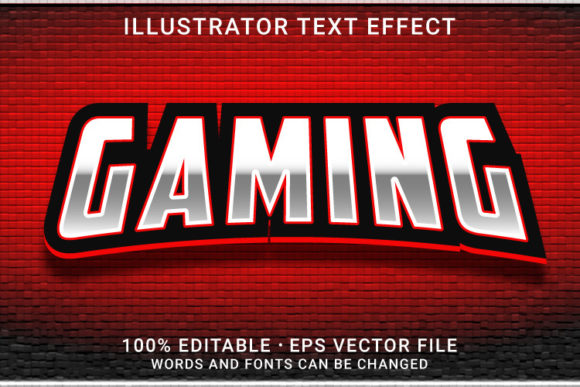
At its core, a 3D gaming text effect is a digital design technique that simulates three-dimensional geometry, lighting, and material on text. Unlike simple text with a drop shadow, a true 3D effect constructs the text as an object with extruded depth, distinct sides (faces), and realistic surface properties. Think of the iconic logos for franchises like Halo or Mass Effect—their metallic, weathered, and spatially deep lettering is a classic example. This effect uses a combination of extrusion, beveling, texture mapping, and sophisticated lighting (like ambient occlusion and directional shines) to create the illusion of a solid, tangible piece of text existing in a space. It leverages the same visual principles found in game asset creation, applied specifically to typography.
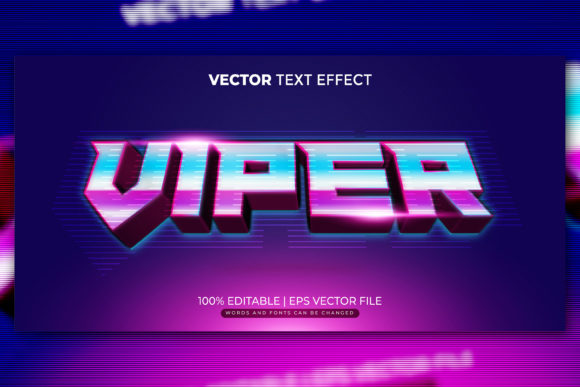
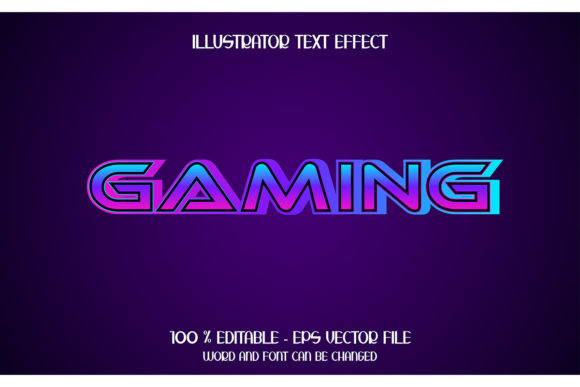
The goal is not merely to decorate text but to imbue it with narrative and emotional weight. A gritty, scratched metal 3D effect conveys a hardcore sci-fi or survival horror theme. A sleek, neon-lit, translucent effect might signal a cyberpunk or racing game. The 3D gaming text effect bridges the gap between graphic design and 3D modeling, allowing creators to produce professional-grade branding assets without needing to be full-time environment artists.
Identifying the Challenges: Why Flat Text Often Falls Short
For content creators, indie game developers, and streamers, visual branding presents several common hurdles. You might have a fantastic game concept or channel brand but struggle to visually communicate its tone and quality. Flat, standard fonts can make a project feel amateurish or generic, failing to hook potential players or viewers in a crowded marketplace. Another challenge is resource limitation: professionally commissioning 3D logo art from a specialist can be expensive and time-consuming. Furthermore, achieving consistency across various media—your Steam page banner, YouTube thumbnail, website header, and in-game menu—can be difficult if your core title graphic lacks a strong, adaptable visual foundation.
The need, therefore, is for a scalable, learnable solution that empowers you to create a high-impact visual identity yourself. This need centers on versatility and control: you want an effect that can be tailored to your specific genre, adjusted for different backgrounds, and rendered at various resolutions without losing its punch.
How the 3D Gaming Text Effect Addresses Creator Needs
Implementing a 3D gaming text effect directly tackles these challenges by providing a foundation for professional-grade branding. First, it establishes immediate visual hierarchy and memorability. A well-executed 3D text becomes the focal point of any image or video, ensuring your title is seen and remembered. Second, it conveys genre and tone efficiently. The materials and lighting you choose tell a story before anyone reads a single word of your description. Third, it offers remarkable adaptability. A good 3D text model or layered graphic file can be re-rendered, re-colored, or placed in different virtual environments, maintaining consistency across all your promotional materials.
Practically, this means you can create a single, powerful asset that serves as the visual keystone for your entire project. For an indie developer, this could be your game's title logo used on the storefront, in the launch trailer, and as the main menu backdrop. For a streamer or content creator, it could be your channel name rendered in a style that matches your on-screen persona, used in video intros, overlays, and merch designs. The effect elevates your presentation from "informative" to "immersive," aligning your text with the experiential quality of your content.
Practical Applications and Expected Outcomes
The applications for a 3D gaming text effect extend far beyond just a game's title screen. Consider its use in video content for dynamic intro sequences, where text rotates or zooms into frame with realistic depth. It's invaluable for creating distinctive thumbnail text that pops against complex game footage. Within game development itself, the technique can be used for important in-game UI elements, like mission objective headers or key item names, enhancing the player's visual experience. Even for non-game applications, the effect is used in music video production, tech company presentations, and any digital media needing a bold, futuristic, or energetic typographic statement.
The outcomes of integrating this effect are tangible. You can expect increased visual engagement on your promotional pages, as the text itself becomes an object of interest. It builds brand cohesion, making your project instantly recognizable across platforms. Ultimately, it contributes to a perception of quality and effort, signaling to your audience that your content is crafted with care and attention to detail—a crucial factor in building trust and attracting a following.
Approaches and Tools: Different Paths to the Same Goal
The journey to creating your 3D gaming text effect varies depending on your skills, budget, and desired fidelity.
For Beginners and Efficiency-Seekers
Many modern graphic design software packages offer powerful, accessible tools. Applications like Adobe Photoshop with robust 3D extrusion features, or even free alternatives like Blender paired with font-to-3D conversion techniques, provide a starting point. Online generators and template marketplaces can also offer pre-made 3D text styles that you can customize with your own wording and colors. This approach is ideal for those seeking a quick, effective solution without deep 3D modeling knowledge. The focus here is on leveraging intelligent software tools to achieve the illusion of depth with layer styles, smart materials, and lighting presets.
For Intermediate Designers and Game Developers
If you're using a game engine like Unity or Unreal Engine, you can create true 3D text objects within the engine itself. This involves importing or creating 3D font assets, applying custom shaders and materials (like metal, glass, or emissive neon), and controlling the scene lighting to highlight the text. This method integrates the text directly into your game's visual ecosystem, allowing it to interact dynamically with engine lighting and effects. It offers more real-time control and is perfect for text that needs to exist within the 3D game world, not just on a 2D UI layer.
For Advanced Artists and Purists
The most granular control comes from full 3D modeling software such as Blender, Cinema 4D, or Maya. Here, you model the text geometry from scratch or from a font base, sculpt detailed bevels and imperfections, create complex custom material nodes, and set up professional render passes. This approach yields the highest quality, suitable for cinematic trailers or key art that will be scrutinized at high resolution. It requires more skill but offers unlimited creative freedom to craft exactly the texture, wear, and light response you envision.
Key Recommendations and Considerations
When embarking on your 3D gaming text effect project, keep these practical tips in mind. Start with a strong font choice; the base typography must support the weight and style of your effect. Pay extreme attention to lighting and contrast; 3D text relies on light and shadow to define its form. Ensure your final asset is versatile: render it on transparent backgrounds and at multiple resolutions. Most importantly, align the effect's aesthetic—its material, color, and mood—with the core identity of your game or brand. A hyper-realistic, dirty metal effect would feel disjointed for a casual mobile puzzle game, just as a soft, pastel gel effect would be wrong for a tactical shooter.
Remember that the 3D gaming text effect is a tool for communication. Its purpose is to enhance your message, not overwhelm it. With practice and a focus on your specific audience's expectations, this technique can transform your textual branding from a simple label into a compelling portal into the world you've created.