Integrating Retro Sunset Vintage Gaming Clipart into Your Creative Process
In the landscape of digital design, where trends cycle back with a nostalgic glow, assets like Retro Sunset Vintage Gaming Clipart offer a distinct bridge between past aesthetic appeal and modern practical application. This collection isn't merely a set of images; it’s a packaged digital resource designed for seamless integration into professional and hobbyist workflows. Understanding its structure and potential applications is the first step toward leveraging its value effectively.
The Core Composition of a Professional Clipart Package
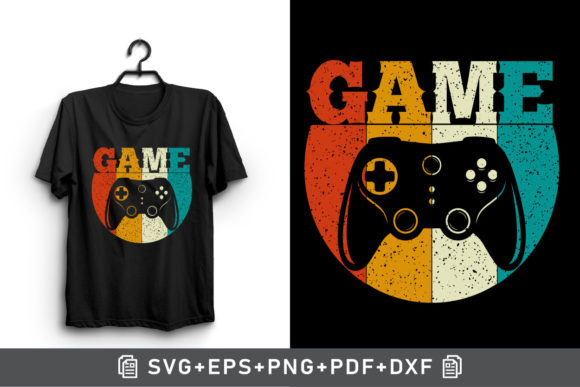
The Retro Sunset Vintage Gaming Clipart package is delivered as a comprehensive bundle. You receive an SVG file for scalable vector graphics, an EPS file for broad compatibility with professional design software, a PNG for immediate raster use, a PDF for consistent viewing, and a DXF for specialized CAD or engraving applications. All files are supplied in CMYK color mode, a critical specification for projects destined for physical print, ensuring the vivid sunset hues and gaming elements translate accurately from screen to fabric or paper.
With 100 customized layers, the vector files offer an exceptional level of control. This granular structure means you aren’t working with a flat, static image. Instead, you can isolate individual elements—perhaps a classic pixelated character, a radiant sunset gradient, or a vintage console silhouette—to modify, reposition, or recolor independently. This depth makes the asset adaptable, allowing it to serve as a foundational design block rather than a final, immutable piece.
Strategic Placement in Project Workflows
The utility of the Retro Sunset Vintage Gaming Clipart manifests at various stages of a creative or commercial process. Its role is fluid, acting as a catalyst during the ideation phase, a core component during execution, and a versatile asset for future projects.
During Project Planning and Ideation
Early in a project, such as planning a new line of print-on-demand t-shirts or a series of social media graphics, this clipart can serve as a visual anchor. Its predefined theme—retro gaming blended with sunset aesthetics—provides a strong stylistic direction. Designers and entrepreneurs can use the PNG previews to mock up quick concepts, assessing how the palette and motifs resonate with their target audience before committing to detailed work in software like Adobe Illustrator or CorelDRAW.
In the Active Design and Execution Phase
Here, the layered vector files become central. A freelance graphic designer working on a client’s merchandise can open the SVG or EPS file directly into their workflow. The ease of modifying colors, mentioned in the package details, is a practical boon. For instance, the sunset backdrop might be shifted from warm oranges to deep purples to match a brand’s color scheme, all without degrading image quality. This interoperability with standard design tools minimizes friction and saves time typically spent creating such complex vector art from scratch.
The separation of elements also aids in composition. You might extract a gaming controller graphic for a mug design, while using the full panoramic background for a large poster. This multi-use capability from a single purchase promotes consistency across a product range while maximizing the return on the asset investment.
Post-Project and Long-Term Asset Management
After completing a project, the well-organized ZIP archive containing all file formats becomes a part of your digital asset library. The inclusion of versatile formats like PDF and DXF ensures the clipart remains compatible with future software updates or new project types you might explore, such as craft projects using engraving machines or creating custom greeting cards. Properly labeled and stored, this package is a reusable resource, ready to be deployed when a new task calls for that specific blend of nostalgic gaming and retro color warmth.
Practical Implementation Across Diverse Use Cases
The advertised use cases—t-shirts, mugs, stickers, scrapbooking, posters, and more—are not just a list but a map of potential workflows. Each application involves slightly different preparation and technical considerations.
For print-on-demand platforms, the provided CMYK-ready files are essential. Uploading an RGB file to a print service can lead to color shifts on the final product. Using the EPS or PNG from this package, already in the correct color mode, streamlines the submission process and increases confidence in the output quality. For hands-on craft projects, such as applying heat transfer paper to baby clothes, the high-resolution PNG ensures crisp edges even when cut out, while the DXF file could interface directly with digital cutting tools for precision.
Educators or content creators might integrate elements into digital graphics for blogs or online courses about gaming history. The vintage styling serves as immediate visual context, enhancing the communicative value of the material. For small business owners in the merchandise space, having a curated, high-quality design like this reduces dependency on hiring a designer for every new idea, enabling quicker product iteration and testing.
Optimizing Integration for Efficiency and Quality
Smooth integration hinges on preparation and understanding your own workflow's requirements. Before starting, ensure your design software supports the primary formats (SVG, EPS). Most modern applications do, but verifying this prevents a mid-project stall. When you receive the ZIP file, extract it using your preferred tool—WinZIP, WinRAR, or your operating system's native functionality—into a dedicated project folder. Organizing these source files alongside your other project assets from the outset supports a clean working environment.
When modifying the design, leverage the layer structure. Instead of editing the entire graphic, identify which layers correspond to which visual elements. This approach allows for non-destructive experimentation; you can change the color of a single game asset without affecting the sunset background. It also facilitates combining this clipart with other assets. You could import a separate text logo layer into the same file, positioning it interactively with the clipart layers to create a cohesive final design.
For quality control, especially in print workflows, use the PDF as a reference. It represents a stable, finalized view of the design. Comparing your modified version against this reference can help spot unintended alterations. Finally, consider the long-term. This clipart, by virtue of its vector nature and multiple formats, is not a disposable one-use item. Catalog it in your digital library with clear tags (e.g., "retro," "gaming," "vector," "print-ready") so it can be efficiently retrieved for future projects, thereby compounding its initial value over time.
Conclusion: A Resource Designed for Process
Ultimately, the Retro Sunset Vintage Gaming Clipart package transcends being a simple graphic. It is a workflow-aware resource. Its multi-format delivery caters to different stages of execution—from quick mockups to deep editing. Its technical specifications, like CMYK and layered vectors, address the practical concerns of quality and adaptability in real-world production. By understanding its structure and strategically deploying it within your creative or business processes—whether in planning, active design, or archiving—you transform a purchased digital asset into a dynamic tool that supports efficiency, consistency, and creative expansion across a multitude of projects.