The Strategic Edge of Ninja Mascot Logo Design in Esports Gaming
In the fiercely competitive arena of esports, a team’s identity is its first line of defense and its most potent weapon for offense. Beyond the skill of the players, the branding—specifically the logo—serves as a critical point of connection with fans, sponsors, and the broader gaming community. Among the myriad of thematic choices, the Ninja Mascot Logo for Esport Gaming has emerged as a particularly powerful and nuanced archetype. Distinct from more generic or overtly aggressive symbols, a ninja mascot encapsulates a blend of stealth, precision, intelligence, and tradition, offering a rich visual narrative for a gaming organization.
What Defines a Ninja Mascot in Esports Logo Design?
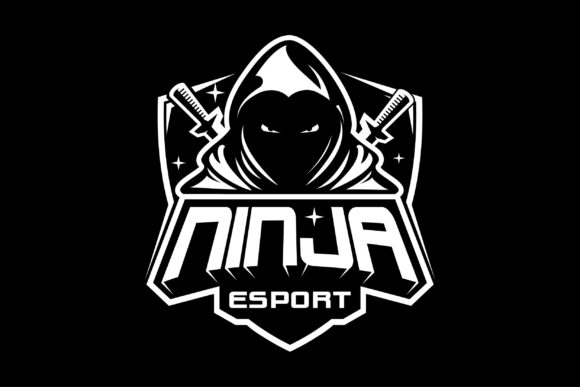
A Ninja Mascot Logo for Esport Gaming is not merely an image of a figure in dark attire. It is a sophisticated illustration that leverages the deep cultural symbolism of the ninja. Key distinctive elements often include a masked or shadowed face, which conveys anonymity and focus. The posture and stance are typically dynamic yet controlled, suggesting agility and readiness rather than brute force. Accompanying iconography might feature traditional weapons like katana swords or shuriken, reinterpreted with digital or futuristic accents to bridge historical mystique with modern gaming technology. The color palette leans towards dark, muted tones like blacks, deep purples, and grays, often contrasted with a single vibrant accent color, such as a neon green or crimson, representing energy and lethal precision.
This approach stands apart from other common esports mascots, such as dragons, predators, or robotic figures. While those convey raw power or technological dominance, the ninja mascot communicates strategic mastery, tactical ingenuity, and elite execution. It speaks to an audience that values clever gameplay, outmaneuvering opponents, and winning through strategy as much as sheer force. The ninja mascot logo illustration, therefore, becomes a promise of a team’s philosophy: they are the silent, calculating, and ultimately decisive force in the tournament.
Comparing Archetypes: The Ninja Versus Common Esport Mascots
When evaluating mascot options for an esports gaming brand, understanding the tradeoffs between different archetypes is essential. The ninja mascot occupies a unique position within the spectrum.
Compared to more overtly aggressive mascots like wolves, bears, or demons, the ninja offers a layer of sophistication. These animal or monstrous figures excel at projecting raw intimidation and primal strength. They are excellent for teams wanting to establish an immediate, dominant presence. However, they can sometimes lack nuance and may not resonate with audiences looking for a brand with depth and narrative. The ninja mascot, by contrast, trades some of that immediate visceral impact for a richer story of skill, discipline, and heritage.
When juxtaposed with high-tech mascots, such as cyborgs or abstract digital entities, the ninja brings a human, albeit mythical, element. Tech-focused logos are ideal for teams specializing in futuristic games or wanting to emphasize innovation and cutting-edge performance. Their limitation can be a certain coldness or lack of relatable character. The ninja mascot logo illustration merges human tradition with modern execution, offering a relatable warrior figure that feels both ancient and contemporary. It provides a balance between organic storytelling and sleek, modern design aesthetics.
A particularly relevant comparison is with the assassin archetype. While closely related, there are subtle distinctions. An assassin mascot logo illustration typically emphasizes the singular, lethal strike. Its imagery might be more focused on a weapon, a lone eye, or a moment of action. It's direct and mission-oriented. The ninja, while also lethal, carries broader connotations of espionage, adaptability, and mastery of multiple arts (martial, strategic, even elemental). For a gaming team, a ninja mascot can therefore suggest versatility across different games or playstyles, whereas an assassin mascot might suggest hyper-specialization and pinpoint accuracy.
Strengths and Strategic Advantages
The core strength of a Ninja Mascot Logo for Esport Gaming lies in its multifaceted appeal. It projects intelligence, making it attractive to sponsors from sectors like technology, strategy software, or educational platforms. It carries a global, yet respectful, recognition of Japanese culture, which can appeal to an international fanbase. From a design perspective, its elements are highly adaptable. The masked face allows for mystery, enabling fans to project themselves onto the mascot. The dynamic poses work well in animated versions for intros, merchandise, and social media content.
Furthermore, this mascot type aligns perfectly with the gameplay narratives of many popular titles. In tactical shooters, stealth-based action games, or complex strategy MOBAs, the concept of the ninja—planning, striking unseen, and disappearing—directly mirrors ideal in-game behavior. This creates a powerful, subliminal association between the team's brand and peak performance in those genres.
Potential Limitations and Fit Considerations
The ninja mascot may not be the optimal choice for every esports organization. Its more subdued color scheme and emphasis on stealth over overt aggression could be a less immediate fit for teams in hyper-energetic, combat-focused games like certain fighting or racing titles where a more explosive, colorful mascot might be preferable. Teams aiming for a brand that is explicitly cheerful, community-focused, or "for everyone" might find the ninja's serious and secretive tone somewhat restrictive.
Another consideration is cultural sensitivity. While ninjas are a globally recognized pop culture figure, deriving from historical Japanese tradition, the design must avoid caricature and aim for respectful, inspired representation. This requires a thoughtful designer with research skills, potentially increasing the complexity and cost of the logo development process compared to a more generic mascot.
Decision Factors: Is a Ninja Mascot Logo Right for Your Team?
Choosing this path depends on several key factors related to your team’s identity, target games, and long-term vision.
First, evaluate your team's core gameplay philosophy. If your players are known for strategic patience, innovative tactics, and clutch, precise plays, the ninja archetype is a strong natural fit. If your reputation is built on overwhelming force or relentless aggression, another mascot might communicate that more effectively.
Second, consider your primary game genres. As mentioned, teams deeply invested in tactical shooters (like Valorant or Counter-Strike), stealth games, or complex strategy titles will find the ninja mascot logo illustration resonates deeply with the game mechanics themselves. For teams in brighter, faster-paced games like platform fighters or arcade sports games, the connection might be less intuitive.
Third, think about audience engagement. The ninja mascot lends itself well to storytelling. You can develop lore around your mascot—its history, its code, its training. This creates content opportunities beyond just match results. If your brand strategy includes narrative development, comics, or rich lore, the ninja provides a formidable foundation. For a brand focused purely on results and statistical dominance, a simpler, more iconic symbol might suffice.
Finally, assess design flexibility needs. A well-designed ninja mascot can be decomposed into powerful secondary elements: a distinctive mask can become a standalone icon for app icons; a shuriken can be used as a pattern on merchandise; a katana silhouette can serve as a award or rank symbol within your community. This versatility is a significant operational advantage for merchandise, sub-branding, and digital assets.
Exploring Alternative Directions and Final Considerations
If the ninja mascot feels close but not perfectly aligned, several related alternatives merit exploration. The samurai mascot offers similar cultural depth but trades stealth for honor, open confrontation, and armor—suitable for teams valuing resilience and principled competition. The rogue or spy archetype maintains the stealth and intelligence but within a more Western, modern context, potentially feeling more neutral culturally. For teams wanting to hint at ninja qualities without full commitment, abstract logos using ninja-inspired shapes (sharp angles, shadow contrasts, specific weapon silhouettes) can convey the essence without a full character illustration.
In the end, the decision to adopt a Ninja Mascot Logo for Esport Gaming is a strategic one, much like the plays it represents. It is a choice that commits to a brand identity of calculated prowess, cultural richness, and adaptable strength. It may not be the loudest brand on the esports stage, but for the right team, it can be the most respected and narratively compelling. By carefully weighing its distinctive appeal against your team’s specific philosophy, game focus, and fan engagement goals, you can determine if this silent, sharp, and strategic emblem will be the perfect avatar for your conquests in the digital arena.