The Art and Utility of Custom Gaming Graphics: From Design to Merchandise
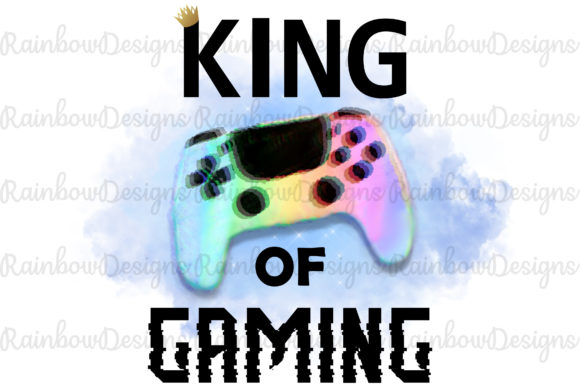
In the vibrant world of gaming culture, personalization is king. Beyond the digital realms and high-score leaderboards, a unique aesthetic identity has become a powerful way for enthusiasts to express their passion. This extends into the tangible products they own and use, transforming everyday items into statements of allegiance and skill. A prime example of this trend is the custom graphic described: a "KING OF GAMING" design featuring a hand-drawn, multicolored controller with a 3D glitched effect, set against a dynamic blue watercolor splash background. This specific piece of artwork is not merely a digital file; it is a crafted asset designed for physical application, embodying key principles in modern digital art, merchandising, and personal branding.
Deconstructing the Design: A Foundation of Artistic Elements
Understanding such a design starts with appreciating its core components. Every element is chosen for visual impact and thematic resonance.
The Background: Setting the Mood
The "blue watercolour splash" serves as the foundational layer. Unlike a flat, solid color, a watercolor effect introduces organic, flowing textures and soft gradients. This creates a sense of movement and depth, preventing the background from being static or boring. Blue, often associated with technology, calm, and depth, provides a cool-toned canvas that allows the brighter elements to pop visually.
The Central Motif: The Hand-Drawn Controller
The controller is the heart of the design. Its "hand drawn" nature implies a custom, artistic touch, moving away from sterile, vector-perfect clipart. This adds character and a sense of human craftsmanship. The "multicoloured" palette makes it vibrant and eye-catching, while the "3D glitched effect" introduces a layer of modern digital culture. The glitch effect, reminiscent of video game errors or cyberpunk aesthetics, adds a dynamic, tech-savvy edge that resonates deeply with gaming audiences.
The Typography and Embellishment: Claiming the Title
The text "KING OF GAMING" is a bold, declarative statement. The addition of a "small golden crown on the K" is a crucial detail. This miniature emblem acts as a seal of authority and quality, a nod to achievement and status within gaming communities. It transforms the text from a simple phrase into a branded logo.
The designer's note that "this would look great personalised with a name" highlights the design's inherent flexibility. It is built not as a finished, static product, but as a template for individuality. This addresses a core desire in fandoms: the blend of shared community symbols with personal identity.
Beyond the Screen: The Practical Significance of Production-Ready Art
The technical specifications—"Image size 3508 x 3508 pixels at 300dpi – PNG with transparent background"—are not arbitrary. They are the bridge between digital art and physical goods, defining its practical relevance.
- High Resolution & DPI: 3508 pixels at 300 dots per inch (DPI) ensures the image is extremely high-quality and dense with detail. This is essential for print applications, as it prevents pixelation or blurring when the design is transferred onto fabric, ceramic, or other materials.
- Square Format: The 3508 x 3508 pixel (square) aspect ratio is versatile, fitting well on a variety of product surfaces from circular mugs to square cushions.
- PNG with Transparency: The PNG format with a transparent background is arguably the most important technical feature. It means the design (the controller, text, crown) exists as a layer that can be placed onto any colored or textured material without a white or colored rectangular box behind it. This allows for seamless integration onto different products.
The Real-World Fit: Sublimation and Modern Merchandising
The statement "It is perfect for sublimation use on mugs, cushions, t-shirts, tote bags and so much more" directly places this design into the thriving world of custom merchandise and small-scale entrepreneurship.
What is Sublimation?
Sublimation printing is a technique where specialty dyes are transferred into materials like polyester fabrics or polymer-coated items (like certain mugs) using heat and pressure. The dye becomes part of the material, resulting in vibrant, durable, and full-color prints that won't crack or peel. A design with a transparent background is ideal for this process, as it allows the ink to bond directly with the substrate color.
Fitting into Modern Life and Business
Such a design fits into several contemporary spheres:
- Personal Use & Gifting: Individuals can create unique, personalized gifts for friends or family members who are avid gamers, adding a name to the design for a one-of-a-kind item.
- Small Business & E-commerce: For creatives and entrepreneurs, this type of ready-to-apply artwork is a product asset. They can license or purchase such designs (with the critical proviso that it is "not to be resold as a digital file") to apply onto physical blanks, creating inventory for online stores like Etsy or at local markets.
- Community and Events: Gaming clubs, esports teams, or event organizers can use such graphics to produce team merch or promotional items, fostering a sense of belonging and brand identity.
Clarifying Common Misunderstandings
There are frequent assumptions about digital art of this nature that need clarification.
- "It's Just a Picture for Social Media": While it could be used online, its high-resolution, transparent-background format indicates a primary purpose far beyond digital display. It is engineered for manufacturing.
- "All Digital Files Can Be Printed Well": Not true. Low-resolution images or designs with locked white backgrounds result in poor-quality prints. The specs of this design are industry-standard for quality merchandise production.
- "The Design is the Final Product": The note that the design is "not to be resold as a digital file" underscores an important distinction. The digital file is a tool, a raw material. Its value is realized when it is transformed into a physical object (a t-shirt, a mug). This protects the designer's work and directs the buyer toward the correct, ethical use—adding value through physical creation.
Building a Broader Understanding: The Ecosystem of Customization
This "KING OF GAMING" graphic is a microcosm of a larger ecosystem where creativity, technology, and commerce intersect. It represents:
- The Democratization of Design: Artists can create niche, community-specific artwork that can be globally accessed and used by small businesses or individuals.
- The Blurring of Digital and Physical: Our digital passions (like gaming) increasingly demand physical expressions. This design facilitates that translation.
- The Value of Specialized Knowledge: Understanding terms like DPI, transparency, and sublimation empowers individuals to move from being passive consumers to active creators or informed purchasers in this market.
Final Thoughts: More Than Just Art
Ultimately, a design like this is more than a collection of pretty elements. It is a functional template for identity and enterprise. From its artistic choices (the glitch effect, the watercolor) that speak directly to a subculture, to its technical build (high-res, transparent PNG) that enables real-world application, it serves as a perfect case study in how modern digital art is purposefully created to live off the screen. It empowers gamers to wear their title, allows creators to build small businesses, and turns everyday objects into pieces of personalized, cultural expression. By understanding its layers—both artistic and technical—one gains insight into a vibrant corner of today's creative economy, where being the "king of gaming" can start with a design and end with a custom mug, worn t-shirt, or beloved cushion.