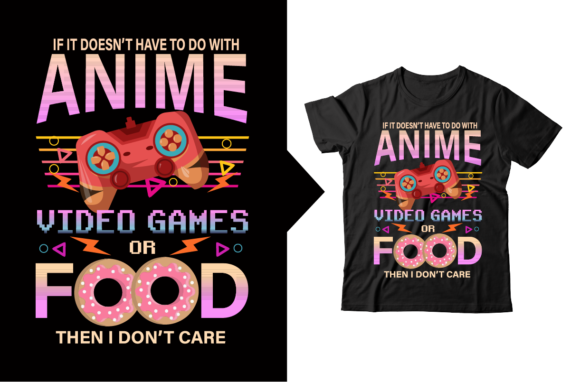
The Anime Gaming Food Item Guide: A Practical Toolkit for Creators
For digital creators, marketers, and entrepreneurs who work with media, character design, or fandom-related merchandise, the term Anime Gaming Food likely resonates as a specific visual asset. It represents a detailed, stylized vector graphic item—think a perfectly rendered slice of pizza, a steaming bowl of ramen, or a vibrant sushi roll—often imbued with the energetic, exaggerated aesthetic found in both anime and video game art. But beyond being a simple image, Anime Gaming Food as a design file is a foundational component in a broader production workflow. It is a tool, not just a piece of art.
Understanding the Asset in Your Creative Process
Where does an Anime Gaming Food item fit? It typically enters the process during the asset assembly phase. Whether you're designing a t-shirt for an online store, creating assets for a mobile game's UI, producing promotional material for a gaming cafe, or illustrating a blog about culinary culture in anime, these vector items serve as high-quality, ready-to-use graphical elements. Their value is in their specificity and their technical construction. When you acquire or create an Anime Gaming Food graphic, you're not just getting a picture of food; you're integrating a modular design block built with precision and flexibility.
This is crucial for professionals who manage multiple projects or require brand consistency. Instead of spending hours illustrating a hamburger from scratch for a one-off design, you can implement a pre-made, expertly crafted vector item. This shifts your focus from creation to application and customization, which is often where the real project needs lie. The item becomes a variable in your design equation, ready to be adapted to fit the exact requirements of your layout, color scheme, and medium.
The Core Technical Advantages: Integration and Adaptation
The practical description of a modern Anime Gaming Food asset—mentioning features like 100 vector shapes, being re-sizable, ready to print, and including source files—isn't just a list of specs. It's a direct outline of its workflow compatibility. Each feature addresses a common pain point in digital production.
Vector Shapes and Scalability
Built from 100 vector shapes means the item is constructed with clean, editable paths and anchors. This isn't a flat JPEG. For a designer using Adobe Illustrator or similar software, this translates directly to editing control. You can tweak individual components—perhaps adjusting the highlight on a piece of cheese or the outline of a noodle—without degrading quality. The infinite re-sizability ensures the asset works anywhere: from a tiny icon on a website to a large-scale print on a garment or poster. This eliminates the need to maintain multiple resolution versions, streamlining your asset library organization.
Print-Ready and Color Customization
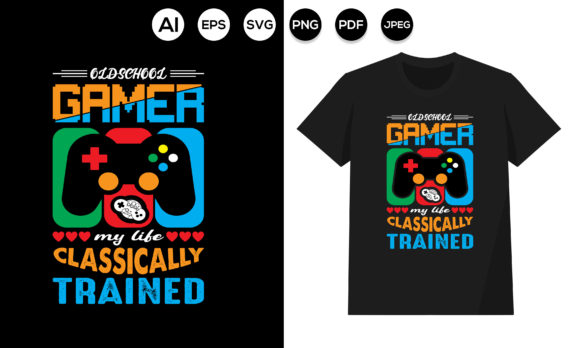
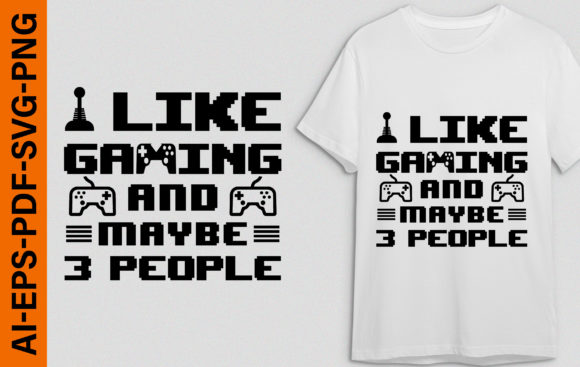
The ready to print guarantee means the file is built with print industry standards in mind, with proper color modes and crisp outlines. This is essential for entrepreneurs moving from digital design to physical products, like t-shirts or stickers. The 100 colour changeable feature, particularly the possible and easy change color for dark t-shirt note, is a targeted solution for a common real-world problem. Applying a graphic to a dark background often requires adjusting its base colors for visibility and impact. A vector file built for easy color separation allows you to swiftly recolor the entire graphic—making the ramen bowl pop on a black tee, for instance—without manual, painstaking selection work. This directly impacts efficiency and turnaround time for product iterations.
The Importance of Source Files
Including the source AI or EPS file is perhaps the most critical feature for long-term use. The delivered PNG is for immediate placement, but the source file is for integration and future-proofing. With the EPS or AI file, you can deconstruct the item, combine it with other vector assets, embed it into larger compositions, or adapt it for animations. It ensures the asset remains useful as your projects evolve and as software updates occur. For a content creator, this might mean using the same sushi vector in a YouTube thumbnail today and in an animated intro sequence next year, all from the same core file.
Practical Implementation in Common Workflows
How do you practically integrate an Anime Gaming Food asset into your work? Let’s consider a few scenarios.
For a small business owner running an online merch store focused on gaming culture, the workflow begins with product ideation. You decide on a "Gamer Fuel" t-shirt line. Instead of commissioning a custom illustration for each food item, you source a set of high-quality Anime Gaming Food vectors. You import the EPS files into your design template. The easy color change feature lets you test palette variations against your shirt colors (dark heather grey, navy) in minutes. You resize the items to fit the print area perfectly. Because the files are print-ready, you can confidently send the final designs to your manufacturer without last-minute adjustments. The entire design phase for multiple products is condensed.
For a freelance graphic designer working with a client on a game's promotional campaign, the assets serve as rapid prototyping tools. The client needs social media banners featuring thematic food items. You use the PNGs for quick layout mockups to get approval on composition. Once approved, you open the AI source files to perfectly match the colors to the game's official brand palette and integrate the vectors seamlessly with the game's logo and typefaces you're using in Illustrator. The scalability ensures the same asset looks perfect on a Twitter header and a Facebook event cover.
For a hobbyist blogger or educator creating content about anime art styles, the vector item becomes a teaching or demonstration aid. You can use the scalable graphic in your articles or videos to deconstruct anime-style exaggeration and shading by actually manipulating the vector paths in a screen share. The 100-shape construction provides clear examples of how complex illustrations are built from simpler parts.
Observations on Quality Control and Long-Term Value
From a process-oriented perspective, using such specialized assets introduces considerations for quality control and library management. A key observation is consistency. If you use a suite of Anime Gaming Food items from the same creator or source, they often share a consistent artistic style and technical build. This helps maintain a uniform look across your projects, which is vital for brand identity. It's advisable to treat these source files as part of your permanent digital toolkit—organize them in a dedicated "Vector Assets" folder with clear naming, not just as disposable downloads.
Their long-term value is tied to their adaptability. A well-made vector item isn't a one-time purchase; it's a renewable resource. As your skills or software capabilities grow, you can do more with the same file. Perhaps you learn to apply more complex gradients, or you start using the shapes to create patterns. The initial investment in a quality, source-file-included asset pays dividends across multiple projects and years, reducing the need to re-purchase or re-create similar elements.
Integration with Other Tools and Platforms
These assets don't exist in isolation. They interact smoothly with standard design platforms like Adobe Creative Suite, Affinity Designer, or CorelDRAW. They are also compatible with many online design tools that support SVG or EPS uploads, expanding their use to web-based workflows. For marketers, they can be brought into Canva for quick campaign material, using the PNG initially and the vector for more advanced customizations offline. The key is to understand the hierarchy of file use: the PNG for speed and simple placement, the source file for depth and integration.
Ultimately, an Anime Gaming Food item description isn't merely a list of features. It's a blueprint for its role in a practical, efficient creative or commercial process. It signals an asset engineered for implementation, not just for viewing. By focusing on its technical properties—the vector shapes, the color malleability, the included source files—you can strategically slot it into your workflow, saving foundational effort and directing your energy towards customization, composition, and the unique aspects of your project. That is the real utility for any professional, creator, or business owner: a reliable, adaptable component that lets you build faster and with greater control.